
RESOURCE ARTICLES
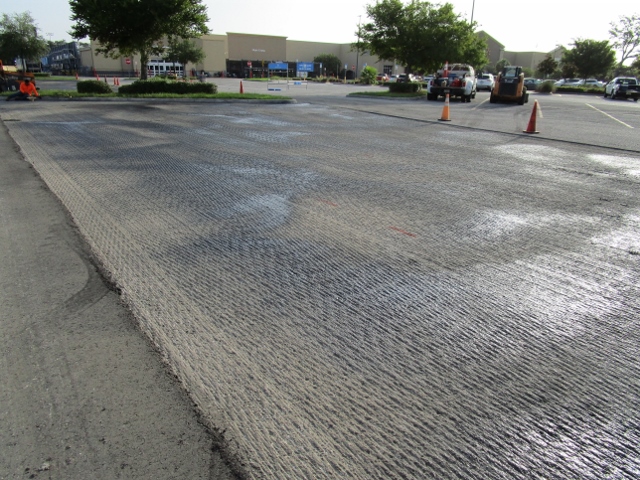
Commercial pavement takes a constant beating. Cars, delivery trucks, heavy equipment, weather, drainage issues, and everyday traffic all contribute to asphalt deterioration over time.
For property owners and managers, the difficult question is often not whether the pavement has a problem, but what should be done about it.
Is asphalt repair enough, or has the pavement deteriorated to the point where replacement is the better investment?
Understanding the signs of pavement failure can help commercial property owners make informed decisions, control maintenance costs, and extend the useful life of their asphalt.
Common Signs of Pavement Failure
Asphalt rarely fails all at once. In most cases, deterioration develops gradually and becomes increasingly visible as the pavement ages.
Some problems are relatively minor and can be addressed through routine maintenance or localized repairs. Others indicate that the underlying pavement structure has begun to fail.
Common warning signs include:
- Cracking throughout the pavement
- Potholes
- Alligator cracking
- Uneven or sinking areas
- Rutting from repeated traffic
- Loose or deteriorating asphalt
- Standing water
- Broken pavement around drainage structures
- Failed previous repairs
- Areas where the asphalt has begun separating or breaking apart
The type, severity, and location of the damage are important when determining the appropriate solution.
For example, a few isolated potholes do not necessarily mean an entire parking lot needs to be replaced. However, widespread alligator cracking combined with settlement and drainage problems may indicate a deeper structural issue.
When Is Asphalt Repair Enough?
Asphalt repair is often the most practical solution when damage is limited to specific areas and the surrounding pavement remains structurally sound.
Localized repairs can address problems before they spread and help property owners avoid unnecessary paving expenses.
Depending on the condition of the pavement, commercial asphalt repairs may include:
- Pothole repair
- Patching
- Crack filling
- Partial depth repairs
- Full depth patching
- Repairing failed areas around drainage structures
- Correcting localized settlement
The key is determining whether the damage is primarily at the surface or whether the underlying pavement structure has failed.
If the base remains stable and the majority of the parking lot is in good condition, targeted repairs can often restore problem areas without replacing otherwise serviceable pavement.
When Is Asphalt Replacement the Better Investment?
Repairing pavement indefinitely is not always the most cost effective approach.
When deterioration becomes widespread, repeatedly repairing individual areas may only provide a temporary solution. At that point, investing in new commercial asphalt may provide better long term value.
Replacement or major rehabilitation may be appropriate when you see:
- Extensive alligator cracking
- Widespread potholes
- Significant pavement settlement
- Severe rutting
- Repeated failure in previously repaired areas
- Large sections of deteriorated asphalt
- Serious drainage related pavement damage
- A failing pavement base
- Extensive surface deterioration across the property
When the underlying structure has deteriorated, simply placing another layer of asphalt over the problem may not address the cause of the failure.
In these situations, proper preparation, removal of failed material, correction of the underlying issues, and new asphalt paving can provide a more durable solution.
Repair vs Replacement: What Should Property Owners Consider?
The decision should not be based solely on how bad the pavement looks.
A professional evaluation should consider the overall condition of the pavement, the extent of deterioration, traffic demands, drainage, pavement age, and the expected future use of the property.
A parking lot with several isolated defects may be an excellent candidate for repairs and preventive maintenance.
A parking lot covered with interconnected cracking, settlement, potholes, and recurring failures may be approaching the point where replacement makes more financial sense.
Property owners should also consider the long term cost of repeatedly repairing the same areas.
If the same section of pavement requires repairs year after year, continuing to patch the problem may ultimately cost more than addressing the underlying failure.
The Importance of Proper Asphalt Paving Preparation
When replacement is necessary, the quality of the finished pavement depends heavily on what happens before the new asphalt is installed.
Simply covering deteriorated pavement does not automatically correct structural problems underneath it.
Depending on the project, proper preparation may involve:
- Removing failed asphalt
- Addressing unstable base material
- Correcting drainage problems
- Improving pavement grades
- Preparing the existing surface
- Establishing appropriate pavement thickness
- Compacting the underlying materials
- Installing the new asphalt properly
This preparation is particularly important for commercial properties that experience frequent vehicle traffic or heavier loads.
A properly planned asphalt paving project addresses both the visible pavement and the conditions that contributed to its failure.
How to Extend the Life of Commercial Asphalt
Replacing asphalt is a significant investment, which makes protecting that investment important.
Preventive maintenance can help slow deterioration and keep pavement performing longer.
A comprehensive pavement maintenance strategy may include:
Regular Inspections
Identify cracks, potholes, drainage issues, and other problems before they become widespread.
Crack Filling
Seal appropriate cracks before water can penetrate deeper into the pavement structure.
Sealcoating
Protect suitable asphalt surfaces from environmental exposure and help maintain a uniform appearance.
Parking Lot Repairs
Address potholes and localized failures before they expand into larger damaged areas.
Drainage Maintenance
Keep water moving away from the pavement and address areas where standing water repeatedly occurs.
Parking Lot Striping
Maintain clear markings and keep the property organized and professional.
The goal is to address deterioration while there are still economical options available.
Drainage Can Determine How Long Asphalt Lasts
Water is one of the biggest threats to pavement performance.
Standing water can accelerate deterioration, particularly when existing cracks or damaged areas allow moisture to penetrate the pavement structure.
Commercial property owners should pay attention to areas where water consistently collects after rainfall.
Drainage problems may occur around:
- Parking lot low points
- Storm drains
- Curbs and gutters
- Building entrances
- Driveway connections
- Pavement transitions
- Areas with settlement
If a section of pavement repeatedly fails in the same location, repairing the asphalt without addressing the underlying drainage problem may only result in another failure.
Don’t Wait Until Small Problems Become Major Repairs
One of the most important principles of commercial pavement management is simple: address problems early.
A small crack can often be maintained.
A pothole can often be repaired.
A localized failed section can often be replaced.
But when deterioration spreads throughout the pavement structure, the available options become more expensive.
Regular inspections allow property owners to identify problems while they are still manageable and determine whether maintenance, repair, resurfacing, or replacement is appropriate.
Make the Right Investment for Your Parking Lot
Not every damaged parking lot needs to be completely replaced.
In many cases, targeted parking lot repair combined with preventive maintenance can restore pavement and extend its useful life.
However, when structural deterioration becomes widespread, continued patching may no longer be the best investment. Replacing failed pavement and rebuilding the affected areas can provide a more reliable long term solution.
The right decision depends on the condition of the existing pavement, the cause of the deterioration, and the property’s future needs.
Stripe America provides commercial asphalt repair, asphalt paving, parking lot repair, and pavement maintenance services for commercial properties throughout Florida.
Protect Your Commercial Asphalt Investment
Whether your property needs localized repairs or a complete paving solution, identifying pavement problems early can help you make a smarter investment.
Contact Stripe America to schedule a professional pavement evaluation and determine the right solution for your commercial property.
Ready to Discuss Your Commercial Paving Project?
Whether you need new asphalt paving, pavement repairs, resurfacing, parking lot improvements, roadway work, concrete, drainage, or pavement markings, the first step is understanding your property and what it needs.
Tell Stripe America about your project and take the first step toward finding the right commercial paving solution for your property.