
Thermoplastic Striping
Commercial thermoplastic striping for roadways, traffic lanes, directional markings, intersections, and high visibility pavement applications throughout Florida
Creating Durable and Highly Visible Roadway Markings
Roadway markings provide important visual information for drivers traveling through commercial properties, access roads, developments, and transportation areas. When markings need to remain clearly visible under demanding conditions, thermoplastic striping can provide a durable marking option.
Stripe America provides commercial thermoplastic striping services for roadways, commercial developments, industrial properties, private facilities, and other paved traffic areas throughout Florida.
Thermoplastic markings can be used for traffic lanes, directional arrows, roadway symbols, intersections, and other pavement areas where durable and highly visible markings are needed.
Florida pavement markings are exposed to intense sunlight, heat, rainfall, vehicle traffic, and changing weather conditions. The pavement condition, traffic activity, marking location, and intended use should all be considered when determining an appropriate thermoplastic marking application.
What Is Commercial Thermoplastic Striping?
Commercial thermoplastic striping is a pavement marking application that uses thermoplastic material to create visible markings on paved roadway surfaces.
Thermoplastic markings can be applied to travel lanes, directional areas, intersections, roadway symbols, and other traffic surfaces where durable pavement markings are appropriate.
The application can be used across commercial roadways, private roads, developments, industrial properties, and other areas where vehicle movement needs to be clearly defined.
The appropriate thermoplastic application depends on the pavement surface, traffic conditions, marking requirements, roadway configuration, and intended use of the area.
When Does a Property Need Thermoplastic Striping?
Thermoplastic striping may be appropriate when a roadway requires durable markings, highly visible traffic guidance, or refreshed pavement markings in areas exposed to frequent vehicle activity.
HIGH TRAFFIC ROADWAYS
Frequently traveled roadway areas can benefit from durable pavement marking applications designed for demanding vehicle activity.
DIRECTIONAL ROADWAY AREAS
Intersections, turns, and other vehicle movement areas may require clearly defined directional markings.
FADED TRAFFIC MARKINGS
Worn or difficult to see roadway markings may need to be replaced with a new marking application.
HIGH VISIBILITY APPLICATIONS
Certain roadway areas require markings that remain visually prominent for drivers and other property users.
Thermoplastic Striping Applications
Thermoplastic striping can support a variety of roadway marking needs where visibility, durability, and clearly defined traffic movement are important.
Traffic Lane Markings
Define travel lanes across commercial roadways and other paved vehicle routes.
Directional Arrows
Identify intended vehicle movement at intersections, turns, entrances, exits, and internal roadway areas.
Roadway Symbols
Apply pavement symbols that communicate specific traffic information directly on the roadway surface.
Intersection Markings
Define traffic movements and pavement areas at intersections and other points where vehicle paths meet.
Turn Lane Markings
Clearly identify designated turning areas and help organize vehicle movement through roadway sections.
Commercial Traffic Areas
Provide durable markings across commercial and private roadway areas that experience regular vehicle activity.
Need Durable Roadway Markings? Let's Talk.
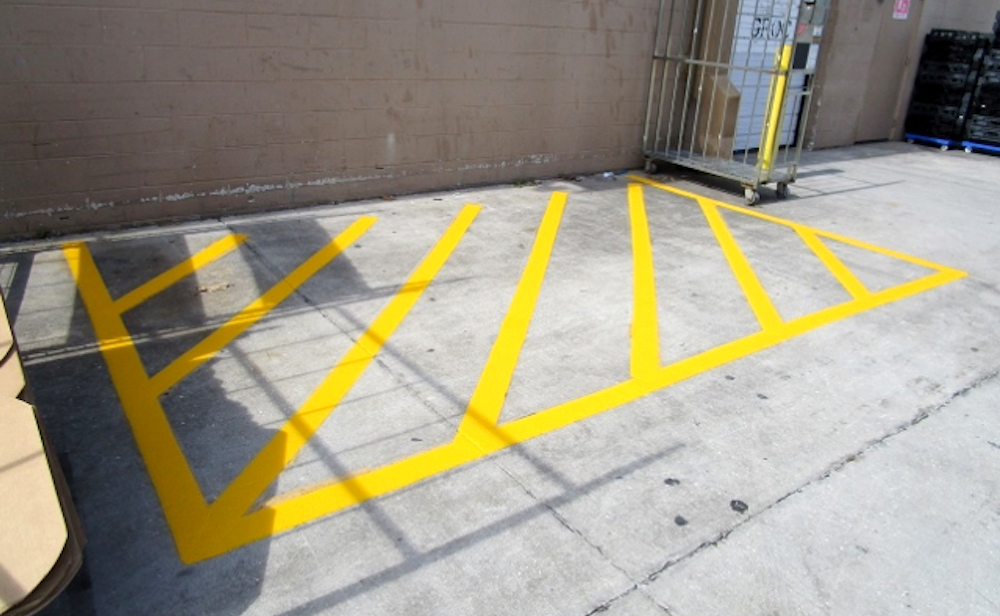
Our Commercial Thermoplastic Striping Process
Thermoplastic striping requires careful planning around the existing pavement, roadway configuration, traffic movement, and locations where markings will be applied. Each project begins with evaluating those conditions before the marking work is performed.
01
SITE REVIEW
The roadway and existing pavement areas are reviewed to identify the locations and requirements for thermoplastic markings.
02
TRAFFIC AREA EVALUATION
Travel lanes, intersections, directional movements, and other traffic areas are considered when establishing the marking plan.
03
MARKING LAYOUT
The planned thermoplastic markings are positioned according to the roadway configuration and intended vehicle movement.
04
SURFACE PREPARATION
The pavement surface is prepared to provide an appropriate area for the thermoplastic application.
05
THERMOPLASTIC APPLICATION
Thermoplastic material is applied to the designated pavement areas according to the planned marking layout.
06
FINAL REVIEW
The completed markings are reviewed for placement, alignment, visibility, and overall consistency with the planned roadway layout.
What Affects Thermoplastic Striping Performance?
The performance of thermoplastic markings can depend on the pavement surface, traffic conditions, weather exposure, and the location and purpose of the markings.
PAVEMENT SURFACE
The condition and characteristics of the existing pavement can influence thermoplastic application and performance.
WEATHER EXPOSURE
Florida heat, sunlight, rainfall, and outdoor conditions can affect pavement markings over time.
TRAFFIC VOLUME
Frequent vehicle activity can contribute to wear in heavily traveled roadway areas.
MARKING LOCATION
Intersections, travel lanes, turning areas, and other high activity locations may experience different levels of marking wear.
Thermoplastic Striping for Florida Commercial Properties
Stripe America provides commercial thermoplastic striping for properties and roadway areas that require durable pavement markings and clear traffic guidance. Applications can support commercial developments, industrial facilities, retail properties, office buildings, apartment communities, warehouses, and other properties throughout Florida.
Apartment Communities
Commercial Developments
Retail Centers
Shopping Centers
Office Buildings
Industrial & Warehouse Properties
Serving commercial properties and thermoplastic striping projects throughout Florida.
Related Roadway & Infrastructure Services
Thermoplastic striping is one component of a complete commercial roadway marking and infrastructure strategy. Explore our related services for additional pavement, roadway, and traffic information needs.
Thermoplastic Striping FAQ
What is commercial thermoplastic striping?
Commercial thermoplastic striping is a pavement marking application that uses thermoplastic material to create visible markings on paved roadways and traffic areas.
Where can thermoplastic pavement markings be used?
Thermoplastic markings can be used on commercial roadways, traffic lanes, intersections, directional areas, turning lanes, and other paved surfaces where durable markings are appropriate.
Why use thermoplastic instead of conventional pavement paint?
Thermoplastic can provide a durable and highly visible pavement marking option for roadway areas that experience regular vehicle activity. The appropriate marking material depends on the pavement, traffic conditions, application, and project requirements.
Are thermoplastic markings suitable for Florida roadways?
Thermoplastic markings can be used for roadway applications throughout Florida. The pavement condition, traffic activity, weather exposure, and intended use of the marked area should be considered when selecting a marking application.
How long do thermoplastic pavement markings last?
The service life of thermoplastic markings varies depending on traffic volume, pavement condition, weather exposure, marking location, and other site conditions. High traffic areas may experience wear sooner than areas with less vehicle activity.
Can thermoplastic striping replace faded roadway markings?
Yes. Existing roadway markings can be evaluated and replaced when they have become faded, worn, difficult to see, or no longer reflect the property’s current traffic layout.
Do Your Roadways Need More Durable Markings?
Tell us about the roadway, traffic area, or commercial property where thermoplastic striping is needed. Stripe America can evaluate the existing pavement and help determine the appropriate marking approach for the site.