
RESOURCE ARTICLES
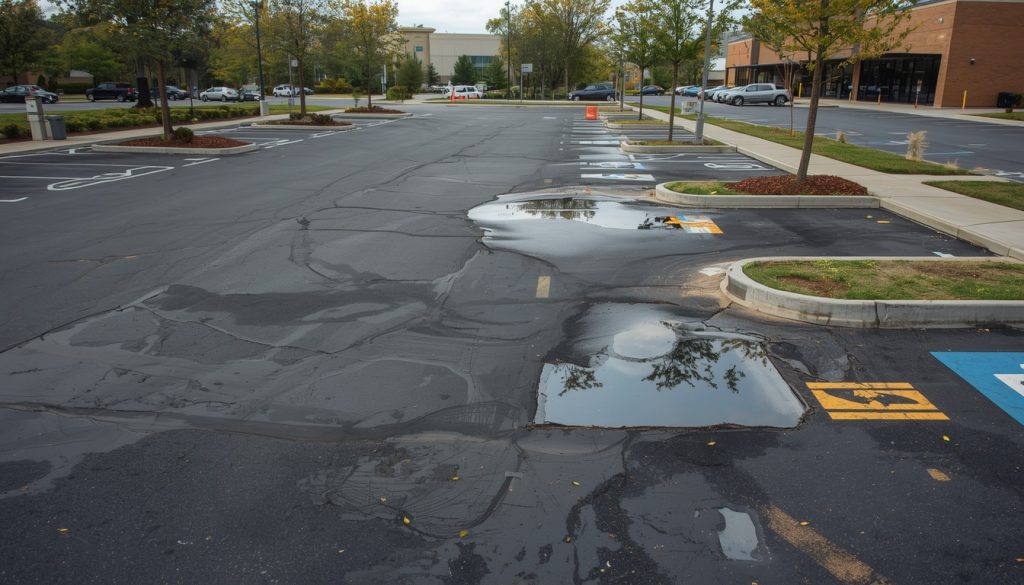
A commercial parking lot is more than a place for customers and employees to park. It is part of your property’s infrastructure, and its condition directly affects safety, appearance, drainage, and long term property costs.
Regular parking lot maintenance helps property owners address small pavement problems before they become expensive repairs. Services such as sealcoating, crack filling, asphalt repairs, and line striping can extend pavement life while keeping the property looking professional.
For Florida commercial properties, developing a consistent maintenance plan is especially important. Heat, heavy rainfall, standing water, and everyday vehicle traffic can all contribute to pavement deterioration.
Why Preventive Parking Lot Maintenance Matters
Waiting until a parking lot develops major potholes, widespread cracking, or drainage problems can turn routine maintenance into a much larger paving project.
A preventive maintenance program focuses on identifying and correcting pavement issues while they are still manageable. Regular inspections can reveal cracks, surface wear, faded markings, drainage concerns, and areas showing early signs of failure.
Florida property owners should consider evaluating their parking lots on a regular basis rather than waiting for visible damage to become severe. Pavement condition data is also used by the Florida Department of Transportation to evaluate pavement performance and anticipate future rehabilitation needs.
A typical commercial parking lot maintenance program may include:
- Routine pavement inspections
- Crack filling and joint repair
- Sealcoating
- Pothole and localized asphalt repairs
- Drainage evaluation
- Parking lot sweeping and debris removal
- Line striping and pavement markings
- ADA parking and accessibility markings
- Periodic pavement condition assessments
The goal is simple: maintain the pavement before deterioration requires major reconstruction.
How Often Should a Commercial Parking Lot Be Maintained?
There is no single maintenance schedule that works for every property. Traffic volume, pavement age, drainage, construction quality, weather exposure, and the type of vehicles using the lot all affect how frequently maintenance is needed.
A commercial property should generally receive a pavement inspection at least once a year, with additional inspections after periods of heavy weather or when new problems become visible.
A basic maintenance schedule may look like this:
Monthly or Quarterly
Inspect for potholes, cracks, drainage problems, surface deterioration, debris, and damaged pavement markings.
Annually
Perform a more comprehensive pavement inspection and identify maintenance priorities for the coming year.
As Needed
Repair significant cracks, potholes, drainage problems, or areas showing accelerated deterioration before the damage spreads.
On a Planned Cycle
Schedule sealcoating, restriping, and larger maintenance projects based on pavement condition rather than waiting until the parking lot requires extensive rehabilitation.
A proactive schedule allows property managers to plan expenses instead of reacting to emergency pavement problems.
Sealcoating Protects Your Asphalt Investment
Sealcoating is one of the most common preventive maintenance treatments for asphalt parking lots.
A properly maintained asphalt surface can gradually lose its protective properties through exposure to sunlight, weather, vehicle traffic, and other environmental conditions. Sealcoating provides a protective surface treatment that can help preserve the pavement and improve its appearance.
For commercial properties, the benefits extend beyond aesthetics.
A well maintained and professionally sealed parking lot can:
- Improve the appearance of the property
- Help protect the asphalt surface
- Reduce the effects of weather exposure
- Provide a cleaner, more uniform appearance
- Complement fresh parking lot striping
- Help property owners manage long term pavement costs
However, sealcoating is not a replacement for structural asphalt repairs. Significant cracks, potholes, base failures, and other pavement problems should be addressed before surface treatments are applied.
Crack Filling Helps Stop Small Problems From Growing
Cracks are one of the earliest warning signs that an asphalt parking lot needs attention.
Water entering pavement cracks can contribute to deterioration below the surface. Once moisture reaches the pavement structure, repeated traffic and weather exposure can accelerate the damage.
That is why crack filling should be part of a commercial parking lot maintenance strategy.
Florida’s transportation specifications recognize crack and joint sealing as a pavement maintenance treatment, including methods designed to clean and seal cracks and joints in asphalt surfaces.
Addressing cracks early can help prevent them from expanding into larger pavement failures.
Property managers should pay particular attention to:
- Long longitudinal cracks
- Transverse cracks
- Multiple interconnected cracks
- Cracks surrounding repaired areas
- Cracks near drainage structures
- Areas where water consistently collects
The earlier these problems are identified, the more options a property owner typically has for addressing them.
Keep Parking Lot Striping Clear and Professional
Fresh parking lot striping does more than make a property look better. Clearly defined parking spaces, traffic lanes, fire lanes, directional arrows, ADA spaces, and other pavement markings help organize vehicle and pedestrian movement throughout the property.
Faded or missing markings can make a parking lot look neglected and can create unnecessary confusion for drivers and pedestrians.
The Florida Department of Transportation’s maintenance inspection standards specifically evaluate the visibility and functionality of parking delineation and pavement markings.
Restriping can also be an opportunity to evaluate whether the current parking layout still works for the property.
Changes in traffic patterns, tenant requirements, property improvements, or accessibility requirements may make a restriping project worthwhile even when the underlying asphalt remains in good condition.
How to Budget for Parking Lot Maintenance
One of the biggest advantages of preventive maintenance is that it makes pavement expenses easier to plan.
Instead of waiting for a major pavement failure and dealing with an unexpected repair bill, property owners can establish an annual maintenance budget based on the current condition of the parking lot.
A maintenance budget may account for:
Routine Maintenance
Inspections, cleaning, crack filling, and minor repairs.
Surface Maintenance
Sealcoating and other treatments designed to preserve the existing pavement.
Markings
Parking lot striping, ADA markings, directional arrows, fire lanes, and other pavement markings.
Repairs
Pothole repairs, localized asphalt replacement, and areas showing structural deterioration.
Long Term Improvements
Larger asphalt repairs, resurfacing, milling, or reconstruction when the pavement has reached the end of its useful service life.
Planning these expenses in advance makes it easier for property managers and owners to prioritize work based on urgency and available budgets.
Signs Your Parking Lot Needs Maintenance
Your parking lot may need professional attention if you notice:
- Cracks becoming wider or more numerous
- Potholes developing
- Faded parking lines
- Standing water after rainfall
- Areas of pavement becoming rough or uneven
- Asphalt beginning to deteriorate around drainage structures
- Multiple repairs appearing across the property
- Faded ADA or directional markings
- Surface discoloration or general pavement wear
These problems should not automatically be treated as signs that the entire parking lot needs to be replaced.
A professional pavement assessment can help determine whether preventive maintenance, localized repairs, resurfacing, or reconstruction is the most appropriate solution.
Build a Maintenance Plan Before Problems Become Expensive
The best time to plan parking lot maintenance is before major pavement failure occurs.
Regular inspections, timely crack filling, sealcoating, asphalt repairs, and professional striping can help commercial property owners protect their pavement and maintain a safer, more professional property.
Instead of treating every pavement problem as an emergency, a proactive maintenance strategy gives property owners more control over the condition and cost of their parking lot.
Stripe America provides commercial parking lot maintenance, asphalt repair, sealcoating, crack filling, parking lot striping, and pavement services for commercial properties throughout Florida.
Keep Your Parking Lot Maintained
A well maintained parking lot protects your pavement investment, improves the appearance of your property, and helps prevent minor pavement problems from becoming major repair projects.
Contact Stripe America to schedule a parking lot evaluation and develop a maintenance plan for your property.
Ready to Discuss Your Commercial Paving Project?
Whether you need new asphalt paving, pavement repairs, resurfacing, parking lot improvements, roadway work, concrete, drainage, or pavement markings, the first step is understanding your property and what it needs.
Tell Stripe America about your project and take the first step toward finding the right commercial paving solution for your property.